 Opera Houses in Rome
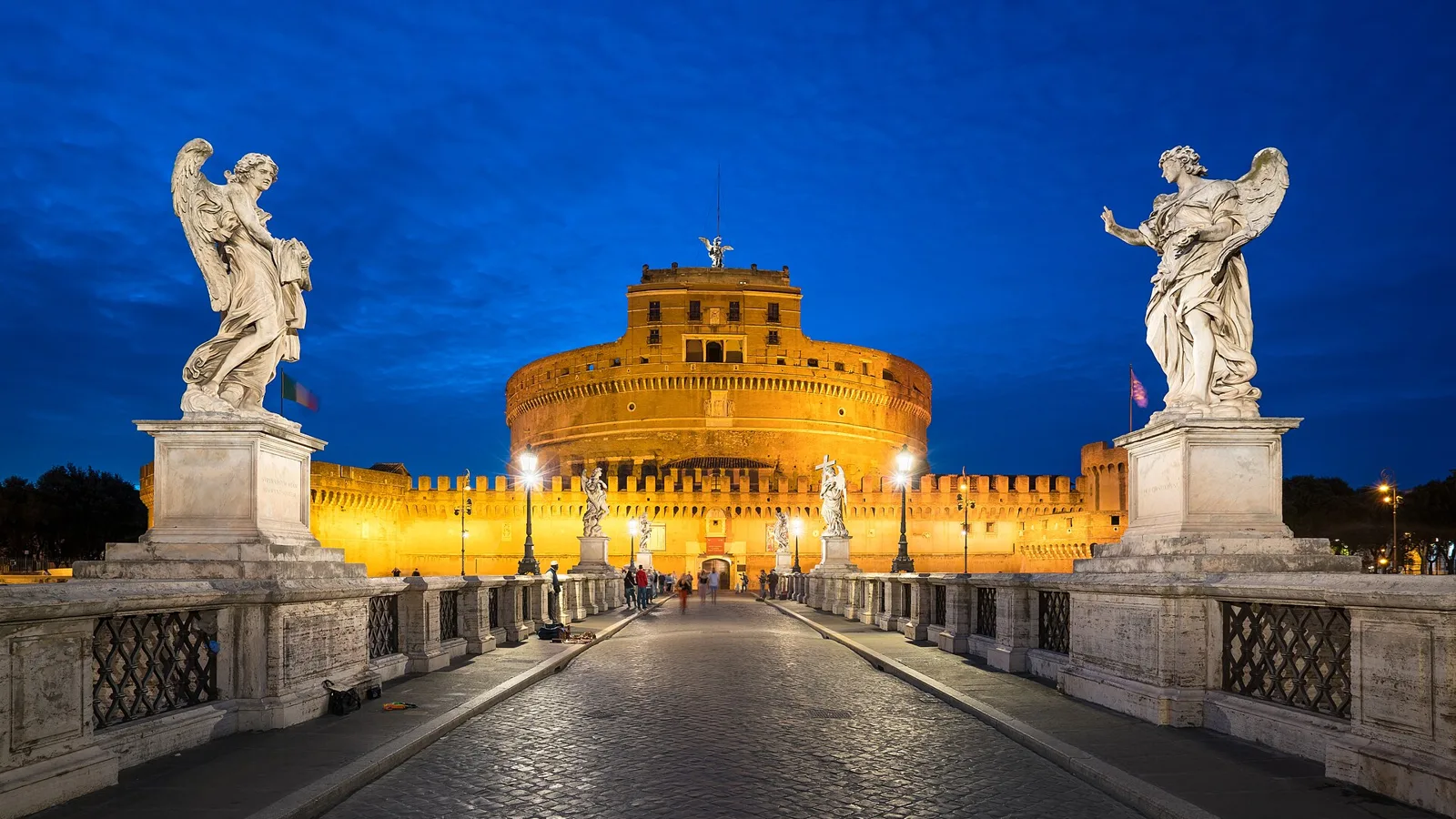
Photo: Thomas Wolf , www.foto-tw.de, CC BY-SA 3.0 de, via Wikimedia Commons
Few operas are tied to a city the way Tosca is tied to Rome. The Tosca locations Rome gives Puccini are real places you can stand in, from the church of the first act to the terrace of the last. This guide walks all three acts and points you to opera houses in Rome and concert rooms where the score still sounds.
Quick answer Tosca in Rome in brief
Tosca is set in Rome in June 1800 and premiered at the Teatro Costanzi on 14 January 1900. Its three acts unfold in three places that still exist: the church of Sant'Andrea della Valle, Palazzo Farnese and the terrace of Castel Sant'Angelo. You can walk all three in a morning and hear the arias in concert the same evening.
Key takeaways
- Act 1 is sung in Sant'Andrea della Valle, a real church with free entry
- Act 2 happens inside Palazzo Farnese, today the French Embassy
- Act 3 ends on the ramparts of Castel Sant'Angelo, now a museum
- Two evening concerts put the arias back inside the church where the opera begins
Where is Tosca set in Rome
Puccini and his librettists Luigi Illica and Giuseppe Giacosa pinned the whole story to three addresses, and they chose them well. Each act is a single location, each one is a landmark, and the three sit close enough together to link on foot.
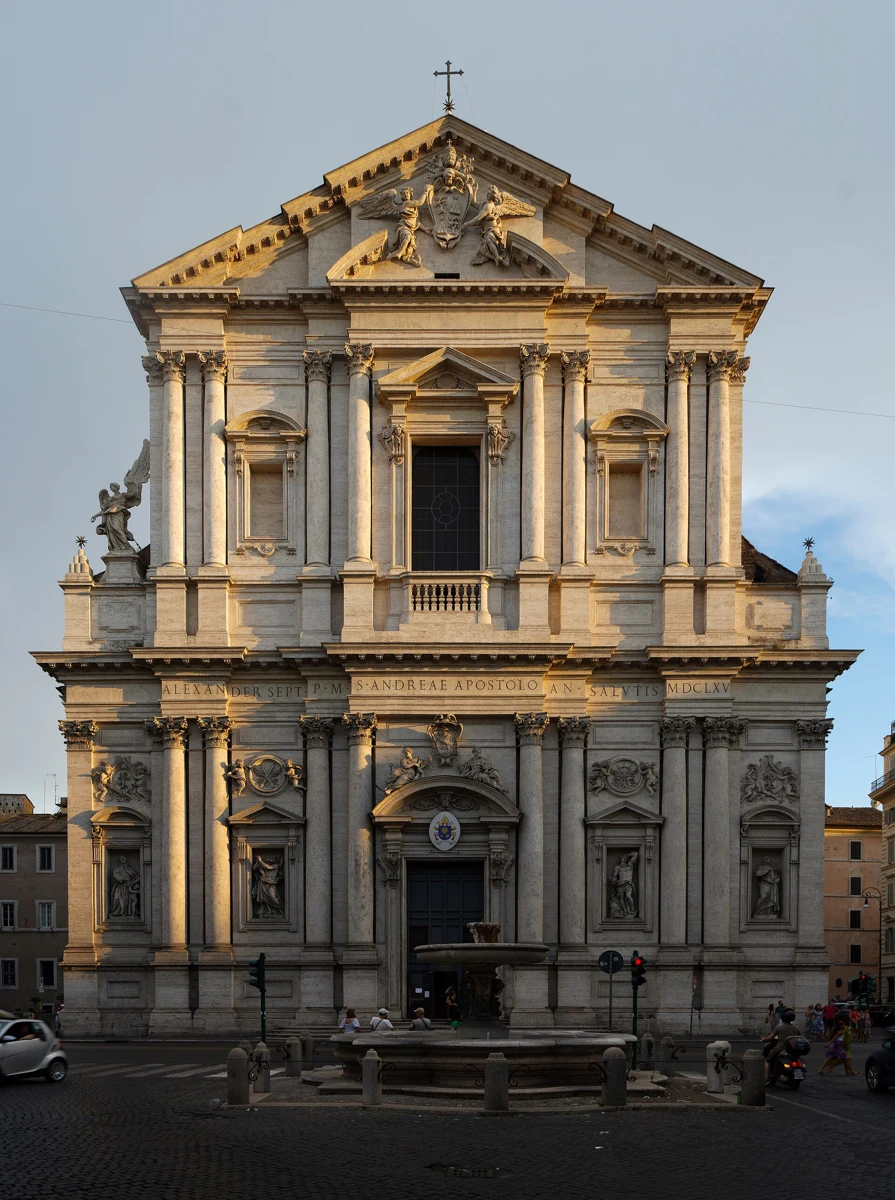
The facade of Sant'Andrea della Valle, the church of Act 1. Photo: WikiRomaWiki, CC BY-SA 4.0, via Wikimedia Commons
One city, three acts, one day
The action takes place in Rome in June 1800, at the moment when Napoleon's army was advancing and the Pope was absent from the city. Sardou's play dated it more precisely, to the afternoon, evening and early morning of 17 and 18 June 1800. The whole opera therefore covers about eighteen hours, and the city itself becomes the fourth character.
- Act 1: the church of Sant'Andrea della Valle
- Act 2: Scarpia's rooms in Palazzo Farnese
- Act 3: the terrace of Castel Sant'Angelo, from which Tosca leaps
The premiere and the house it opened in
Tosca premiered at the Teatro Costanzi in Rome on 14 January 1900, the theatre known today as the Teatro dell'Opera di Roma. Rome was unsettled at the time and the first performance was delayed by a day for fear of disturbances. The critics were lukewarm, the public was not, and the opera was an immediate success.
It has remained one of the most frequently performed operas in the world repertoire ever since.
A story you can verify on foot
That is the unusual pleasure of the Tosca locations Rome preserves. The Attavanti chapel of Act 1 is the one invented detail, a fictional chapel inside a real church. Everything else is geography you can check with your own eyes: the facade Cavaradossi would have walked past, the piazza outside Scarpia's window, the parapet above the Tiber.
No other opera in the standard repertoire gives you a city trail this exact.
The story in one Roman day
Before you walk the route it helps to know what happens where. The plot is famously compact: an escaped prisoner, a jealous singer, a corrupt police chief, and one long night that ends badly for almost everyone.
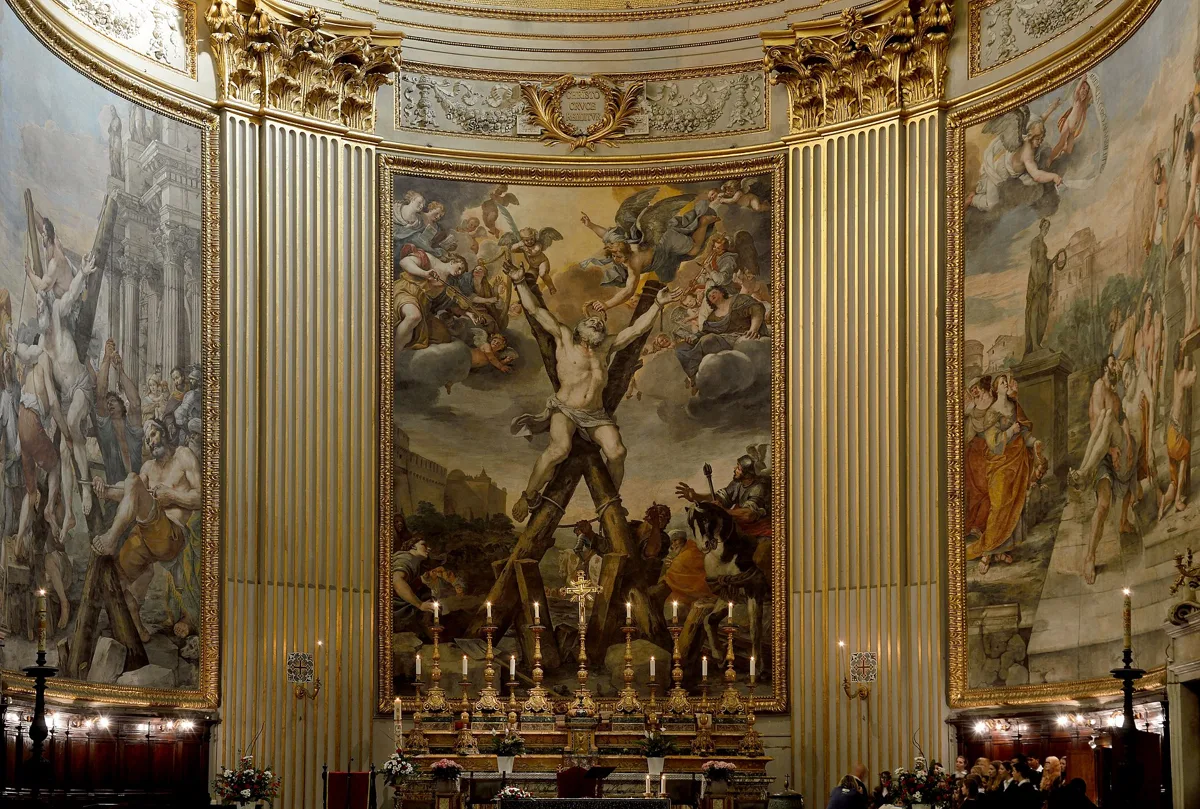
The high altar of Sant'Andrea della Valle. Photo: Livioandronico2013, CC BY-SA 4.0, via Wikimedia Commons
Afternoon: the church
Act 1. Cesare Angelotti, an escaped political prisoner and former consul of the Roman Republic, hides in the Attavanti chapel of Sant'Andrea della Valle, where his sister the Marchesa has left a key. The painter Mario Cavaradossi arrives to work on his fresco of Mary Magdalene and sings Recondita armonia.
His lover, the singer Floria Tosca, visits him, grows jealous of the blonde woman in the painting, and leaves. Angelotti and Cavaradossi flee. The police chief Scarpia arrives, stirs Tosca's jealousy again and has her followed, then sings his creed of dark desire as the act closes with the Te Deum.
Evening: the palace
Act 2. Scarpia interrogates Cavaradossi in his apartments in the Farnese palace while Tosca sings her farewell to a life given to art and love, Vissi d'arte. Cavaradossi refuses to talk and is dragged off to torture.
Tosca gives up Angelotti's hiding place to stop it. Scarpia offers her a bargain, she stabs him with a dinner knife, lays a crucifix on his body and slips out into the night.
Dawn: the castle
Act 3. Cavaradossi waits on the terrace of Castel Sant'Angelo, a papal prison, and pays his guard to pass a farewell note to Tosca. He sings E lucevan le stelle.
Tosca arrives and describes the fake execution she has arranged. The firing squad fires, the execution is real, and as Scarpia's henchmen close in Tosca climbs the parapet, cries that she will meet him before God, and leaps.
Act 1: Sant'Andrea della Valle
The opera opens inside a real Theatine basilica on Corso Vittorio Emanuele II, and unlike most operatic backdrops it looks much as Puccini imagined it.
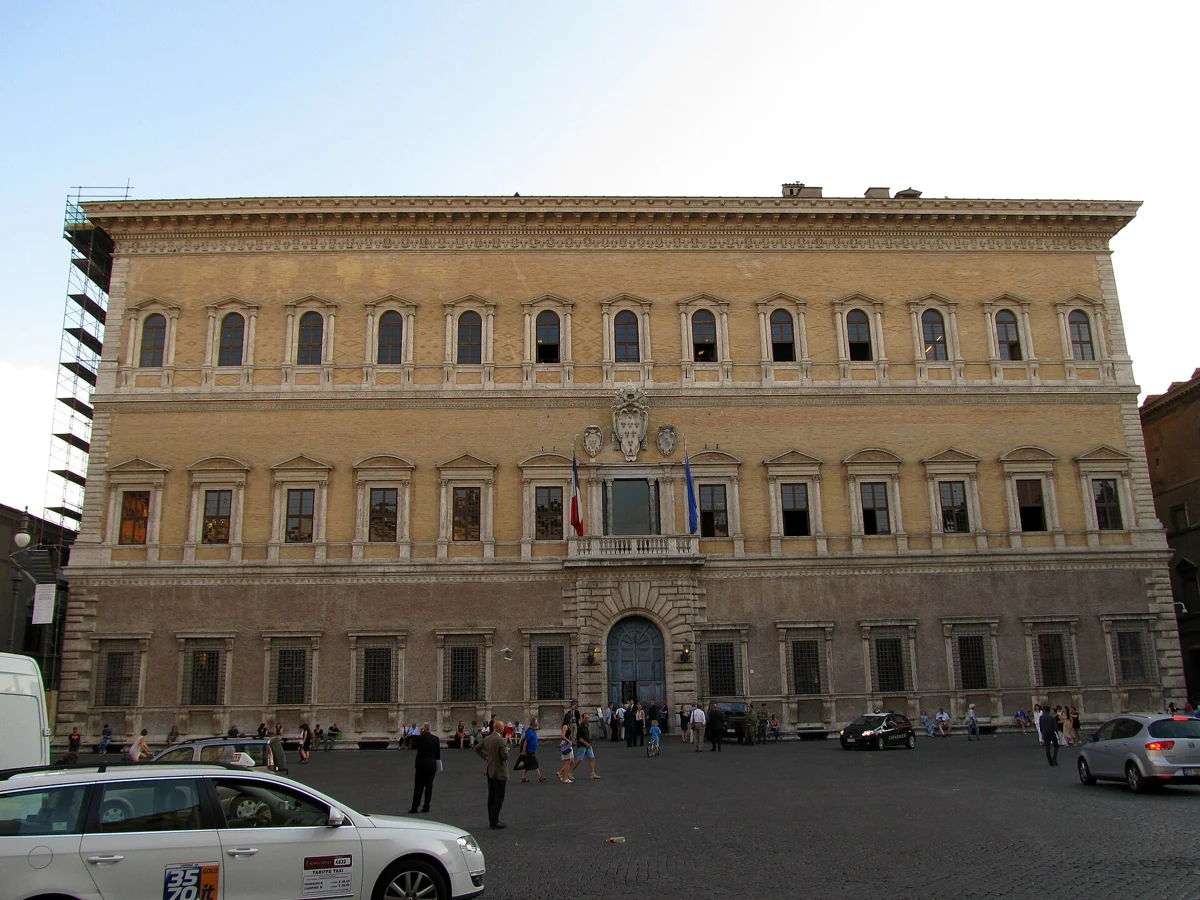
Palazzo Farnese, Scarpia's palace in Act 2, today the French Embassy. Photo: daryl_mitchell from Saskatoon, Saskatchewan, Canada, CC BY-SA 2.0, via Wikimedia Commons
A church, not a set
Sant'Andrea della Valle was begun around 1590 and completed by 1650, mainly to designs by Carlo Maderno. Its dome, frescoed by Giovanni Lanfranco between 1625 and 1628, was for a long time the third largest dome in Rome after St Peter's and the Pantheon. It remains one of the great 17th century preaching churches of the centro storico, built by the Counter-Reformation orders.
- Entry for worship and a look is free
- Dress code: shoulders and knees covered
- The facade faces Corso Vittorio Emanuele II, near Piazza Vidoni
About that chapel
Be clear about the one invented detail. The Attavanti chapel where Angelotti hides does not exist. The libretto places a private family chapel in the church and gives the Marchesa a key hidden at the feet of the statue of the Madonna, but no such chapel is pointed out to visitors.
You can, however, see the Lanfranco dome, Domenichino's pendentives, Michelangelo's design for the Strozzi Chapel and the tombs of two popes. Standing where the Angelus rings at noon, it is easy to hear Recondita armonia in your head.
Hear the act where it happens
Two concert operators now bring Tosca back inside the church. Rome: Tosca Live at Sant'Andrea della Valle and Audio Guide Tour pairs an audio-guided look at the building with arias from the opera sung in it. Tosca in Rome, The Most Beloved Arias, Guided Tour and Concert is Opera in Roma's version, with the audio guide in five languages. Both are new listings with no reviews yet, and both offer arias rather than a staged full opera. Our page on opera concert Rome explains how these church evenings differ from a theatre production.
Act 2: Palazzo Farnese
Scarpia's apartments are set in the most imposing Renaissance palace in Rome, and the building has had a stranger life than any opera plot.
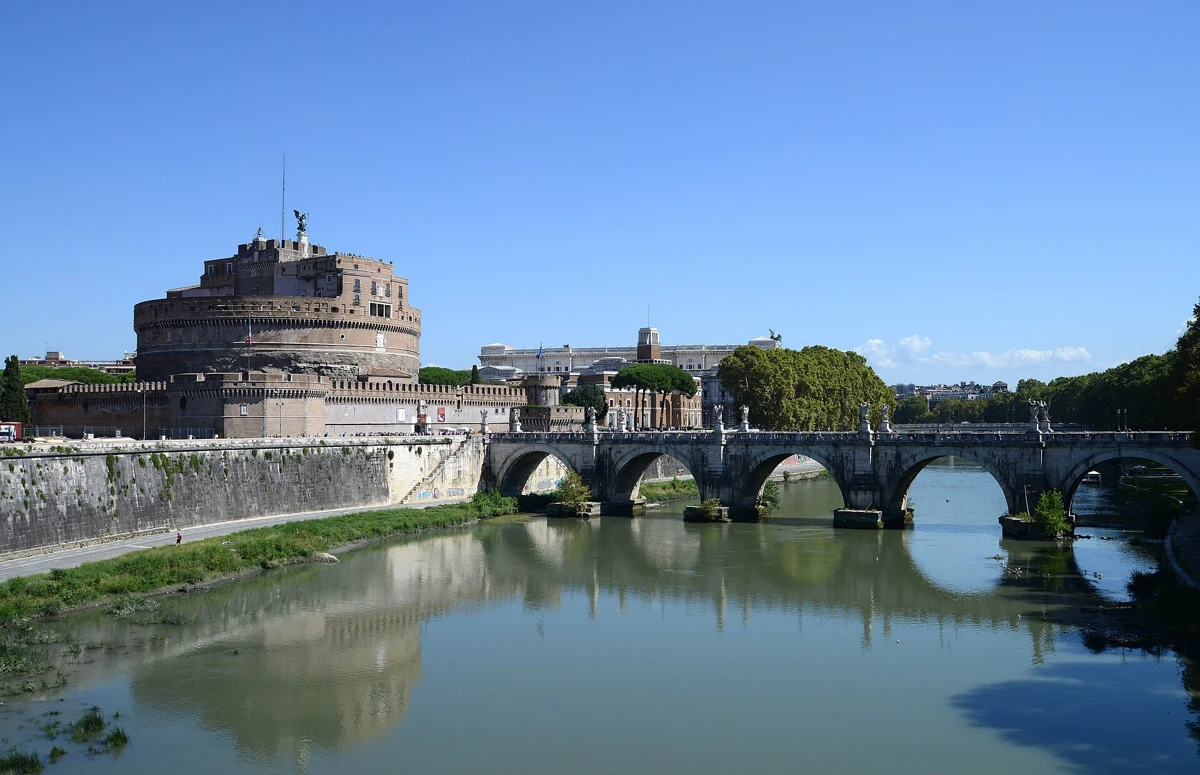
Castel Sant'Angelo above the Tiber, the setting of Act 3. Photo: Alvesgaspar, CC BY-SA 4.0, via Wikimedia Commons
The palace Puccini chose
Palazzo Farnese was first designed from 1517 for the Farnese family and grew when Alessandro Farnese became Pope Paul III in 1534. Antonio da Sangallo the Younger drew the core, Michelangelo finished the third storey and revised the courtyard, and Vignola and Giacomo della Porta carried the work on. Inside, Annibale Carracci painted The Loves of the Gods in the Farnese Gallery, a ceiling that helped set the course of Roman Baroque painting.
The two granite fountains in the piazza outside began life as basins in the Baths of Caracalla.
An embassy, not a museum
Here is the catch for opera pilgrims. The palace was inherited from the Farnese by the Bourbon kings of Naples, from whom the French government bought it, and since 1936 it has served as the French Embassy in Italy on a 99-year lease from the Italian Republic. It is a working embassy.
Ordinary visits are not offered, and seeing the interior means a booked visit arranged in advance, if at all. Admire the facade and the fountains from the piazza, which costs nothing and is open at all hours.
Scarpia's Rome, nearby
The palace sits between Piazza Farnese and Via Giulia, two minutes from Campo de' Fiori. If you want to stand inside a Renaissance palace in this part of Rome, there is a workaround: the concert at Palazzo della Cancelleria is the only way in, because that palace is otherwise closed to visitors and houses Vatican courts. For the full range of evening options, see our guide to theatres in Rome.
Act 3: Castel Sant'Angelo
The last act moves to the fortress on the Tiber, the one place in the opera that is now a museum you can spend hours in.
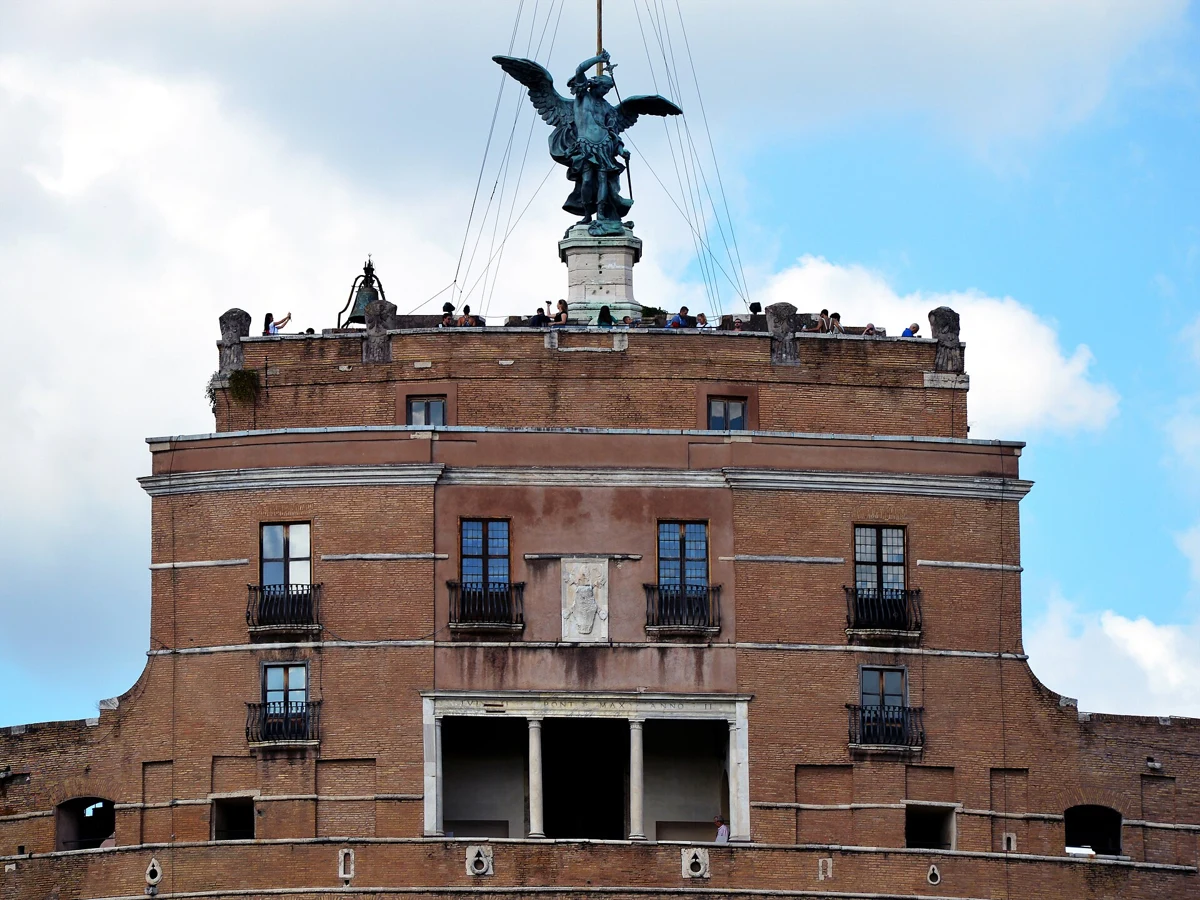
The bronze angel on top of Castel Sant'Angelo, above the terrace of Tosca's leap. Photo: Livioandronico2013, CC BY-SA 4.0, via Wikimedia Commons
From tomb to prison to stage
Castel Sant'Angelo began as the mausoleum of the emperor Hadrian, built between 134 and 139 AD. The popes later turned it into a fortress and castle, connected to St Peter's by the covered Passetto di Borgo, and used it as a prison. Giordano Bruno was held there for six years, as were Benvenuto Cellini and Cagliostro.
It is exactly this prison history that Puccini used: the third act is set on the castle ramparts, and Tosca leaps to her death from them.
Visiting the terrace today
Decommissioned in 1901, the castle is now the Museo Nazionale di Castel Sant'Angelo. You climb through the fortress rooms to the upper terraces, which give the best view over the Tiber, the Ponte Sant'Angelo with its angel statues, and towards St Peter's. The parapet at the top is the emotional climax of any Tosca pilgrimage.
Give yourself time, the building was once the tallest in Rome and the ramparts explain why.
Where the three acts meet
Walk out of the castle gates and you are a short riverside stroll from the dome of Sant'Andrea and the fountains of Piazza Farnese. That is the point of the Tosca locations Rome offers. Few cities let you cover the entire geography of a great opera before lunch, then hear the arias again after dinner.
If you are building a longer music trip, our pages on opera in Rome and where to stay in Rome for the opera put the whole evening in context.
A Tosca walking route through the centro storico
The three acts sit in a compact triangle. This route follows the opera in order, with walking times that are our estimates, and leaves your evening free for a concert.
Morning: church to palace
Start at Sant'Andrea della Valle, on Corso Vittorio Emanuele II. Give the church forty minutes: the Lanfranco dome rewards a long look. From the church it is roughly a ten-minute walk, our estimate, to Piazza Farnese, past the Palazzo della Cancelleria on the way.
Look at the Caracalla fountain basins, the embassy facade and Michelangelo's cornice. Pair the stop with Campo de' Fiori for coffee.
- Stop 1: Sant'Andrea della Valle, free entry
- Walk time to Piazza Farnese: about 10 minutes, our estimate
- Stop 2: Palazzo Farnese, exterior only unless you hold a booked visit
Afternoon: the castle
From Piazza Farnese continue west to the river, then follow the Tiber to Castel Sant'Angelo, about fifteen minutes on foot by our estimate, crossing near Ponte Sisto or Ponte Mazzini. The museum climb takes an hour or two depending on how much of the fortress you explore. The upper terrace in late-afternoon light is the closest you will get to the opening bars of Act 3.
Evening: back to the church
End where the opera begins. The two Sant'Andrea concerts put singers back in the basilica, and both begin in the evening. Dress for a church: shoulders and knees covered, in line with the dress notes on our Rome opera dress code page.
If you would rather end inside a theatre, check season dates and seating on our Rome opera tickets page instead.
Where to hear Tosca's arias in Rome tonight
No full staged Tosca production is sold in this guide. What Rome offers nightly, and what we list, are concert evenings: singers and a small ensemble, arias rather than complete acts, in churches and palaces that are often closed to visitors by day.
Tosca evenings at Sant'Andrea della Valle
The two newest listings are also the most on-theme. Rome: Tosca Live at Sant'Andrea della Valle and Audio Guide Tour, $45, runs 1.5 hours and includes an audio-guided visit of the church plus a Tosca arias concert. Tosca in Rome, The Most Beloved Arias, Guided Tour and Concert, $45, runs 2 hours and adds an audio guide in five languages.
Both are new listings with no reviews yet, and both are arias from Tosca, not the full opera.
Arias in other palaces and churches
The Rome: Opera Concert at Palazzo della Cancelleria, $67, buys an hour of arias and duets in a frescoed hall of a Renaissance palace off Campo de' Fiori, entered through Bramante's courtyard. The palace belongs to the Holy See and is otherwise closed to visitors, so the concert is the way inside. Tickets are collected at the palace box office.
For a wider list of evenings, our opera concert Rome and classical concerts Rome pages cover the whole city.
What to expect from a concert evening
These are not theatre productions: expect singers with piano or a small ensemble, about one to two hours, smart casual dress. Some evenings include arias from several operas, so Tosca shares the programme with Puccini's and Verdi's other hits. The opera house itself sells its own season seats, tours and summer festival separately.
Prices and listings change, so confirm details when you book.
The three acts, the three places
One table for the whole route: where each act is set, what happens in it, and whether you can go inside today.
| Act | Place | What happens | Can you go in |
|---|---|---|---|
| Act 1 | Sant'Andrea della Valle | Angelotti hides, Cavaradossi sings Recondita armonia, Tosca's jealousy is stirred, the act ends with the Te Deum | Yes, free entry for worship and a look, shoulders and knees covered. The Attavanti chapel itself is fictional |
| Act 2 | Palazzo Farnese | Scarpia has Cavaradossi tortured, Tosca sings Vissi d'arte, she stabs Scarpia and escapes | The piazza and facade freely. The palace is the French Embassy, interior only by booked visits |
| Act 3 | Castel Sant'Angelo | Cavaradossi sings E lucevan le stelle, the fake execution is real, Tosca leaps from the ramparts | Yes, the castle is a museum with terraces open to ticket holders |
Walking times between the three places are our estimates: about 10 minutes from the church to the palace and about 15 minutes from the palace to the castle.
Tosca evenings you can book
Three bookable evenings that put Puccini back where he belongs: two inside the Act 1 church itself, one inside a Renaissance palace nearby.
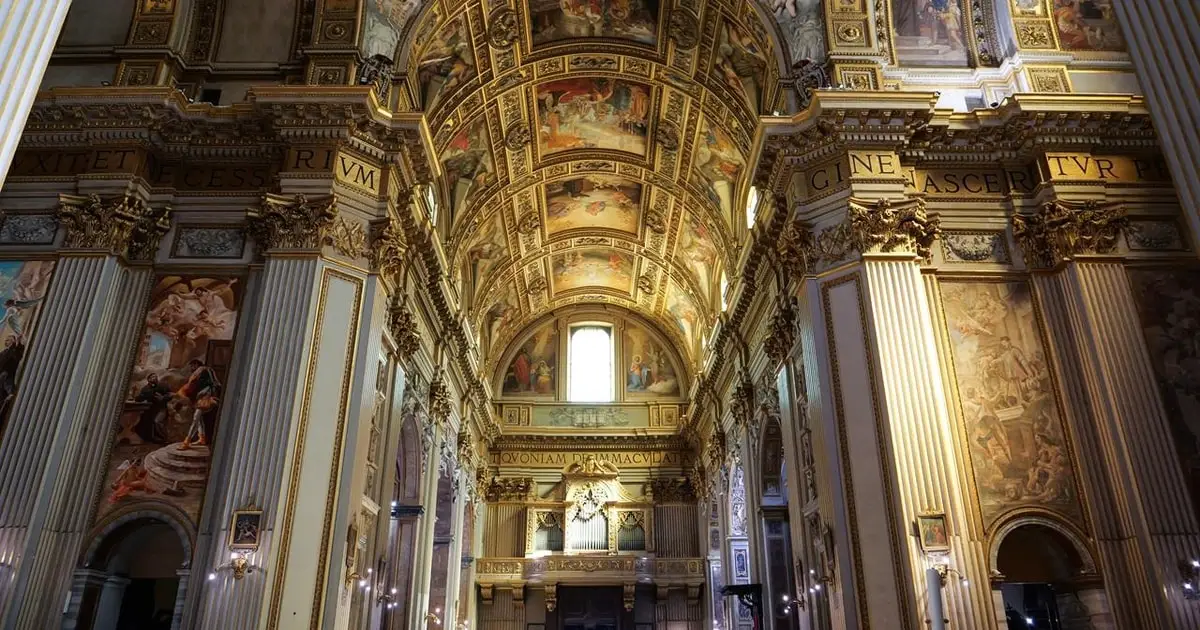 from $45
In the Act 1 church
Concert / show · evening
Rome: Tosca Live at Sant'Andrea della Valle and Audio Guide Tour
An audio-guided look at the church where Tosca begins, then Puccini's Tosca arias sung inside it.
Check Availability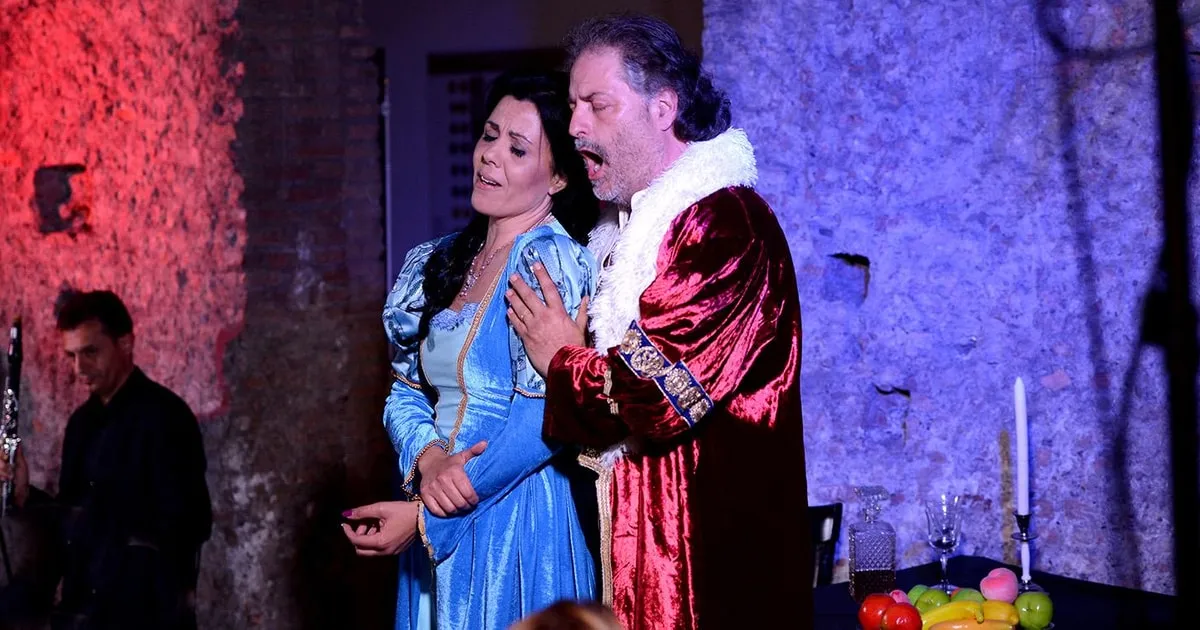 from $45
New
Concert / show · evening
Tosca in Rome – The Most Beloved Arias – Guided Tour and Concert
Opera in Roma's Tosca highlights in the basilica, with an audio guide to the church in five languages.
Check Availability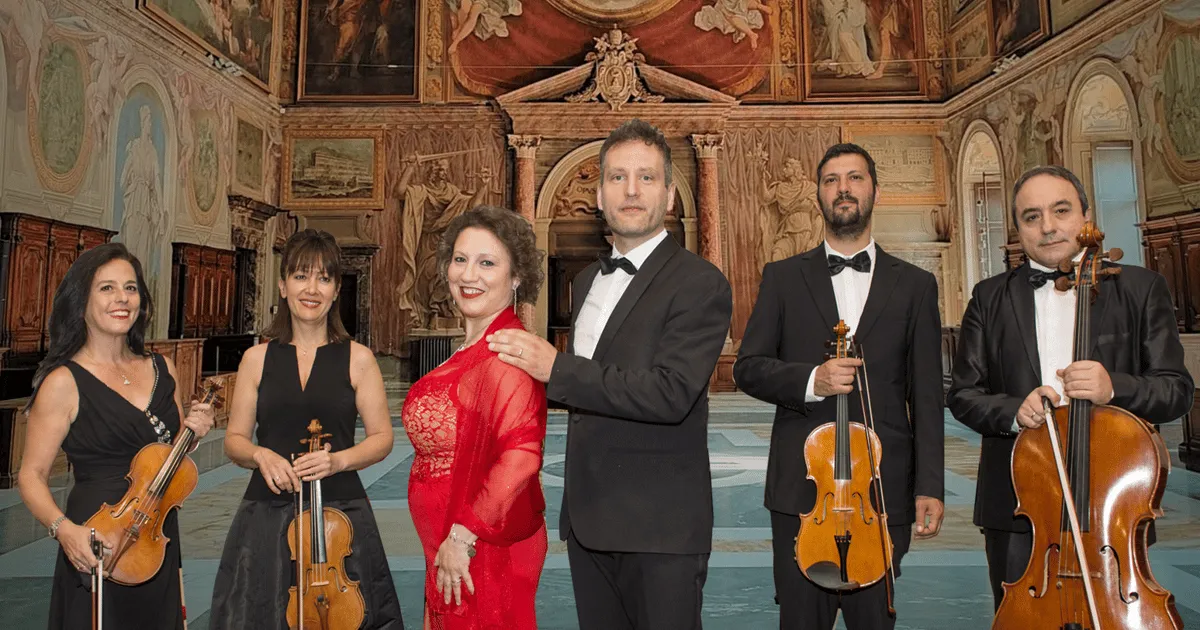 from $67
Top rated
Concert / show · evening
Rome: Opera Concert at Palazzo della Cancelleria
An hour of arias and duets in a Renaissance palace off Campo de' Fiori, entered through Bramante's courtyard.
Check AvailabilityPrices, ratings and details are the platform's own. dollar figures are the listed prices — the platform bills in your account's currency.
Tosca in Rome: your questions
Where will Tosca be performed in 2026?
A staged Tosca production in Rome is not published in our sources. The Teatro dell'Opera di Roma announces its own seasons on operaroma.it, and its 2026-27 season opens with Stravinsky's The Rake's Progress. For the arias, the two Tosca concert evenings at Sant'Andrea della Valle listed in this guide run regularly.
What does Tosca mean in Italian?
Tosca is the family name of the heroine, Floria Tosca. In everyday Italian the word can also mean a throat infection or, informally, a nagging person. In the opera it is simply her name.
What is the most famous piece from Tosca?
Two arias tower over the rest. Cavaradossi's E lucevan le stelle opens the third act at Castel Sant'Angelo, and Tosca's Vissi d'arte, her meditation on living for art and love, comes in the second act at Palazzo Farnese. Recondita armonia closes this list at three.
What is the most famous opera house in Rome?
The Teatro Costanzi, known today as the Teatro dell'Opera di Roma, on Piazza Beniamino Gigli. It opened in 1880, seats 1,560 today, and Tosca itself premiered there on 14 January 1900.
Can you visit the places where Tosca is set?
Yes, all three. Sant'Andrea della Valle has free entry. Castel Sant'Angelo is a museum. Palazzo Farnese is the French Embassy, so you can see the facade and piazza freely, and the interior only through a booked visit, if one is offered.
Is the Attavanti chapel from Act 1 real?
No. The chapel where Angelotti hides is an invention of the libretto inside the otherwise real church of Sant'Andrea della Valle. Everything else in the opera's geography can be found in Rome today.