 Opera Houses in Rome
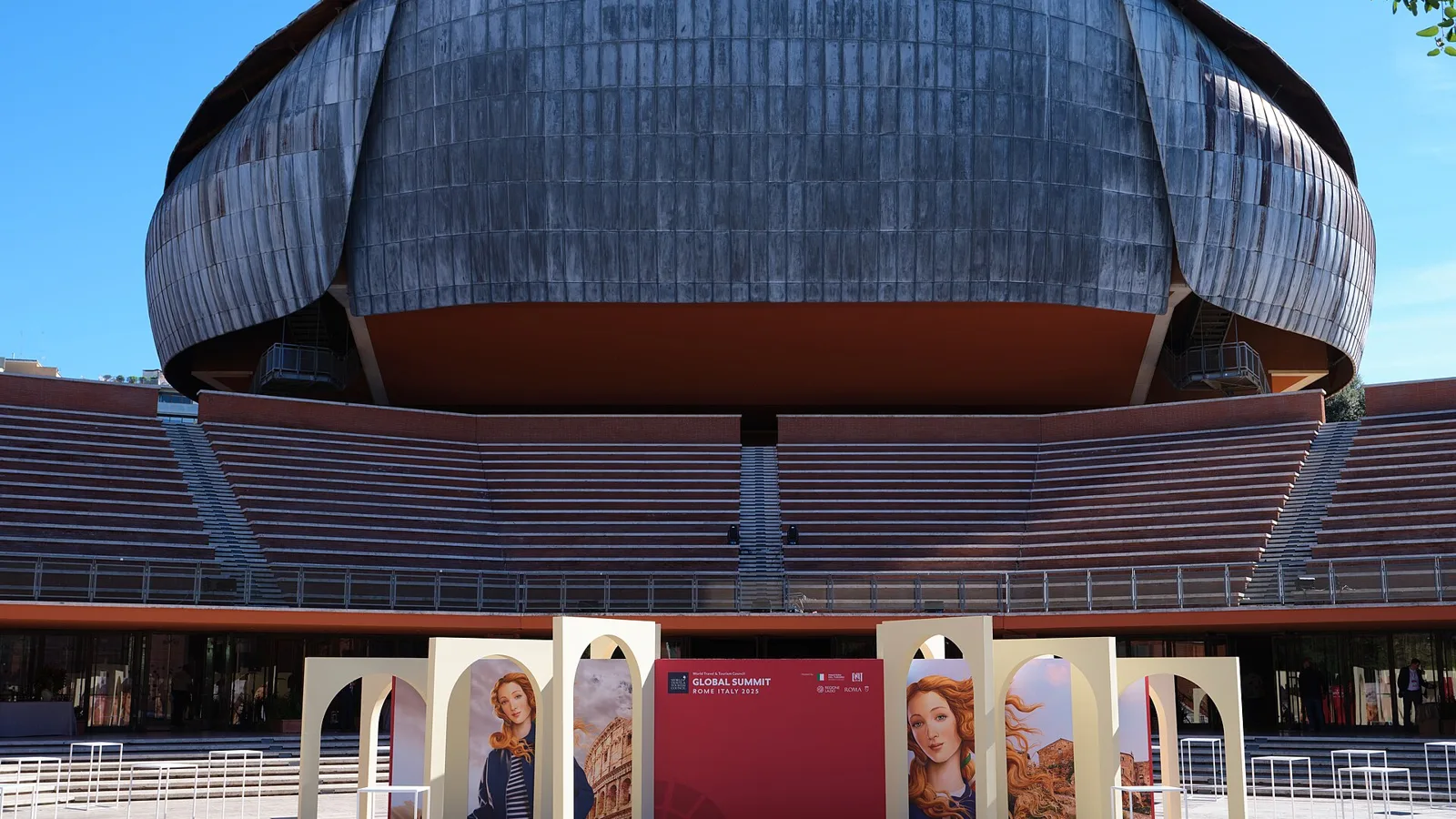
Photo: World Travel & Tourism Council, CC BY 4.0, via Wikimedia Commons
The theatres in Rome split into three kinds: the city's opera house, a set of Italian-language playhouses and concert halls, and a scatter of churches and palaces that host opera in the evening. This guide walks through all of them so you can pick the right stage. If you only want an evening that needs no Italian, start with opera in Rome.
Quick answer Which Rome theatre for you
The Teatro dell'Opera di Roma is the city's opera house and the main stage for opera and ballet. The Teatro Argentina, Valle, Quirino, Sistina and Olimpico are drama and musical theatres that play in Italian. Visitors without Italian do best at the opera house, the Auditorium Parco della Musica or the opera concerts in churches and palaces.
Key takeaways
- Compare every stage in the theatre list below, then read the Teatro dell'Opera guide.
- No Italian? Book La Traviata at St. Paul's Within the Walls, a concert staging with singers and a small orchestra.
- The opera season runs autumn to early summer. In summer the company moves outdoors to the Baths of Caracalla.
Rome's theatres at a glance
This table lines up the main theatres and concert halls in Rome by what plays on each stage, the language you need and how useful each is for a visitor on a short stay.
| Theatre | What plays | Language | Good for a visitor |
|---|---|---|---|
| Teatro dell'Opera di Roma | Opera and ballet, plus the summer open-air festival | Italian, surtitles not stated | Yes, the city's main opera stage |
| Teatro Nazionale) | The opera company's second, smaller house | Italian | Yes for opera on a smaller scale |
| Auditorium Parco della Musica | Symphony concerts by the Santa Cecilia orchestra | None needed for music | Yes, top classical programmes |
| Teatro Argentina | Drama by the Teatro di Roma company | Italian | History lovers, Italian speakers |
| Teatro Valle | Closed since 2010, programme uncertain | Italian | Check before planning on it |
| Teatro Quirino | Drama and touring productions | Italian | Italian speakers near the Trevi Fountain |
| Teatro Sistina | Musicals and big-name shows | Italian | Musical fans with some Italian |
| Teatro Olimpico) | Dance, concerts and shows | Varies | Dance fans in Flaminio |
| St Paul's Within the Walls | Evening opera concerts and arias | None needed | Yes, the busiest concert venue |
| Palazzo della Cancelleria | One-hour aria concerts in a frescoed hall | None needed | Yes, and the only way inside the palace |
Opera seats at the Teatro dell'Opera start at $24.50 (€22) in the gallery for a repeat performance. The church and palace concerts need no Italian at all.
Concerts and opera evenings
Evening tickets. The venue, the programme and the length are on each card.
 from $45
Most reviewed opera
Concert / show · evening
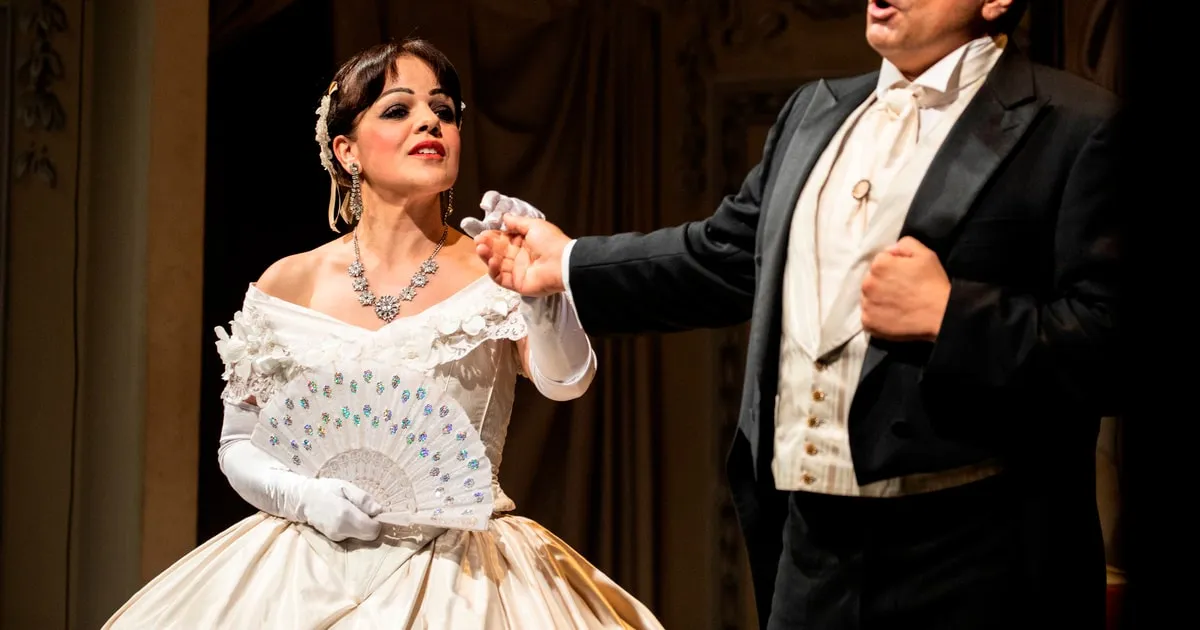
Rome: La Traviata at St. Paul's Within the Walls
Verdi's La Traviata sung by I Virtuosi dell'Opera di Roma in the nave of the American Church on Via Nazionale, a little over two hours.
Check Availability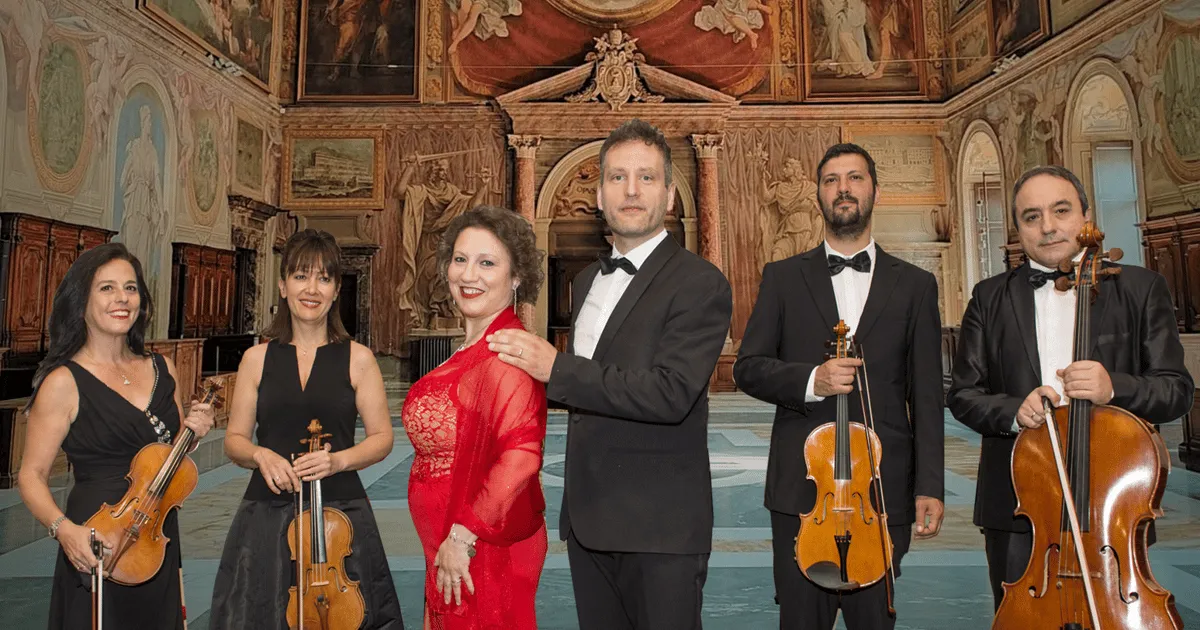 from $67
Top rated
Concert / show · evening
Rome: Opera Concert at Palazzo della Cancelleria
An hour of arias and duets in a Renaissance palace off Campo de' Fiori, entered through Bramante's courtyard.
Check Availability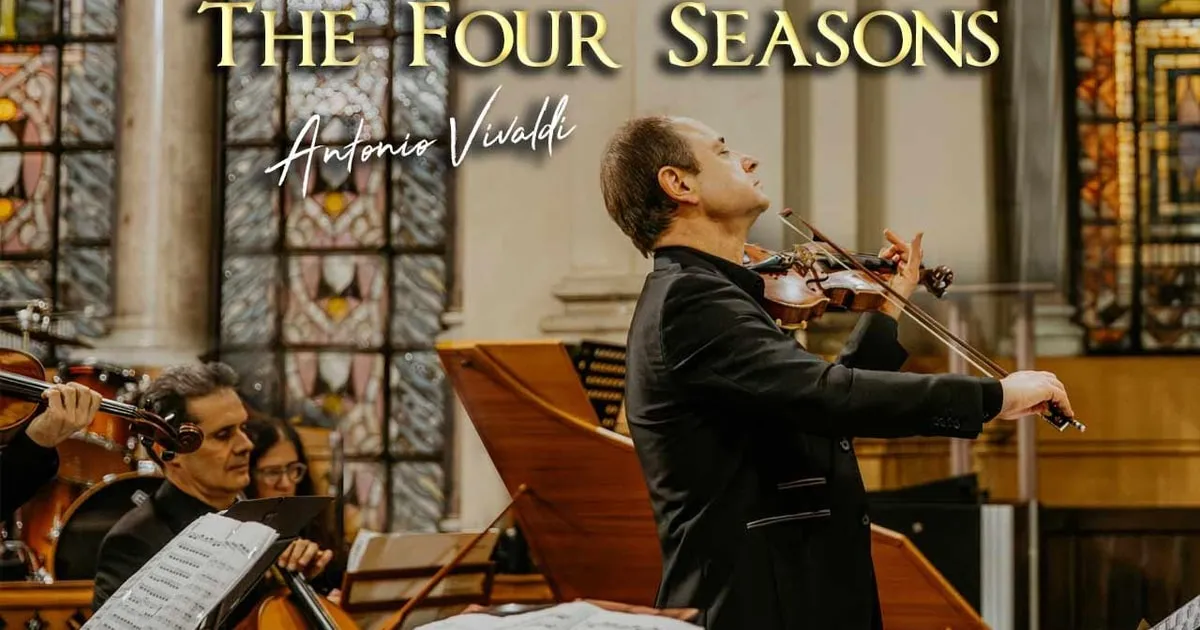 from $33
Most reviewed classical
Concert / show · evening
Rome: Vivaldi Concert Featuring The Four Seasons in Full
The whole of Vivaldi's Four Seasons by the Opera e Lirica ensemble, 80 minutes, Via XX Settembre 122.
Check Availability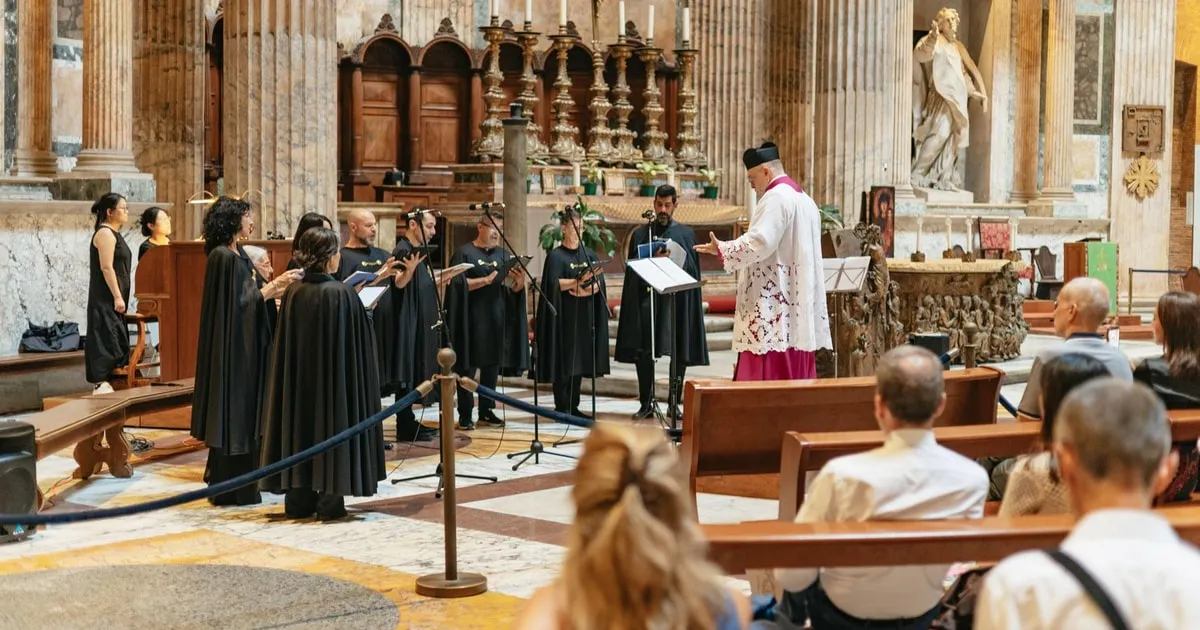 from $31
After hours
Concert / show · evening
Rome: Exclusive After-Hours Access to the Pantheon & Bach and Mozart Concert
The Pantheon after it closes to the public: an audio-guided visit, then Bach and Mozart under the dome.
Check AvailabilityPrices, ratings and details are the platform's own. dollar figures are the listed prices — the platform bills in your account's currency.
The theatres and concert halls of Rome
Ten stages cover most evenings in Rome. The playhouses program drama in Italian, so for most visitors the choice comes down to the opera house, the Auditorium or a church or palace concert.
Opera and drama theatres
-
Teatro dell'Opera di Roma
Opera house Opera seats from $24.50 (€22)
Rome's opera house, opened in November 1880 as the Teatro Costanzi with 2,212 seats and today seating 1,560. Cavalleria rusticana premiered here in 1890 and Tosca in 1900.
Tip: Once the performance starts, latecomers wait in the foyer.
-
Teatro Nazionale
Opera and theatre
The opera company's second, smaller house on Via del Viminale 51, a few minutes from the main stage.
Tip: Useful when the main house is dark or sold out.
-
Auditorium Parco della Musica
Concert halls
Renzo Piano's three halls, Santa Cecilia with about 2,800 seats, Sinopoli about 1,200 and Petrassi 700, plus the open-air Cavea, opened in 2002. Home of the Accademia Nazionale di Santa Cecilia orchestra.
Tip: Check the programme on the Auditorium's own site before you go.
-
Teatro Argentina
Drama and former opera house
Opened 31 January 1732 with Berenice by Domenico Sarro. Rossini's Barber of Seville premiered here in 1816. It stands over the curia of the Theatre of Pompey, where Julius Caesar was killed, and is now the home of the Teatro di Roma drama company.
Tip: Plays are in Italian, so pick it only if your Italian holds.
-
Teatro Valle
Former opera house
Built in 1726 for the Capranica family and one of the oldest theatre buildings in Rome. Pirandello's Six Characters in Search of an Author premiered here in 1921. Drama only since the 19th century, and closed since 2010.
Tip: Check its programme before planning an evening on it.
-
Teatro Quirino
Drama and musicals
Opened in 1871 as a marionette theatre on Via delle Vergini, rebuilt in masonry in the 1880s and remodelled again in the 1950s. It now stages drama and touring productions.
Tip: A short walk from the Trevi Fountain, so easy to pair with sightseeing.
-
Teatro Sistina
Musicals and cabaret
Designed by Marcello Piacentini and inaugurated in 1949 as a cinema, now used mostly for theatre and cabaret, with big-name musicals in Italian.
Tip: Book ahead for named shows, they sell fast.
-
Teatro Olimpico
Dance and concerts
A theatre on Piazza Gentile da Fabriano in Flaminio that hosts dance, concerts and shows.
Tip: Check the website for what is on, the programme changes often.
Concert venues in churches and palaces
-
St Paul's Within the Walls
Opera concerts
The American Church in Rome, the first Protestant church built inside the city, with apse mosaics by Edward Burne-Jones. In the evening it becomes Rome's busiest opera-concert venue, with La Traviata, the Three Tenors programme and arias.
Tip: Smart casual, and concerts start only after the last service.
-
Palazzo della Cancelleria
Opera concerts
Built 1489 to 1513 and seen as the earliest Renaissance palace in Rome. It belongs to the Holy See and houses Vatican courts, so the evening concert is the only way inside.
Tip: Collect tickets at the palace box office before the hour-long concert.
Numbers match the list — tap a pin for the guide.
Which theatre is right for your evening
Rome has more stages than any visitor can use in one stay. The choice comes down to language, season and how much staging you want.
The three kinds of stage
The Teatro dell'Opera is the only full opera house, with a staged season, an orchestra pit, a 1,560-seat auditorium and a ballet company. The playhouses, Argentina, Valle, Quirino, Sistina and Olimpico, program drama and musicals for a local audience in Italian. The churches and palaces, led by St Paul's Within the Walls and the Cancelleria, host opera concerts: arias and duets, or a concert staging of one opera, with singers and piano or a small ensemble, lasting about an hour to two.
These concert stagings are not full theatre productions. There is no set to speak of and the action is suggested. What you get is world repertoire, close to the singers, at a lower price than a season seat.
If you want the full spectacle of staged opera, the opera house is the only indoor answer.
Our pick for a first visit
Book a season seat at the Teatro dell'Opera if your dates match the season, autumn to early summer. The cheapest gallery seat costs $24.50 (€22) for a repeat performance, and stalls rows 1 to 13 run to $139.40 (€125) for a repeat or $178.40 (€160) for a premiere.
If no staged opera falls on your dates, or you want an evening that needs no Italian, we would pick La Traviata at St. Paul's Within the Walls, about two hours with singers, a small orchestra and some costume in the nave of the church on Via Nazionale. The Palazzo della Cancelleria concert is the other strong pick, an hour of arias inside a Renaissance palace that is otherwise closed to visitors.
For classical music rather than opera, the Auditorium Parco della Musica has the strongest programmes in the city. More choices are on our classical concerts page.
The opera house and its season
Rome's opera year has two halves: an indoor season at the Teatro dell'Opera from autumn to early summer, and an outdoor festival in summer.
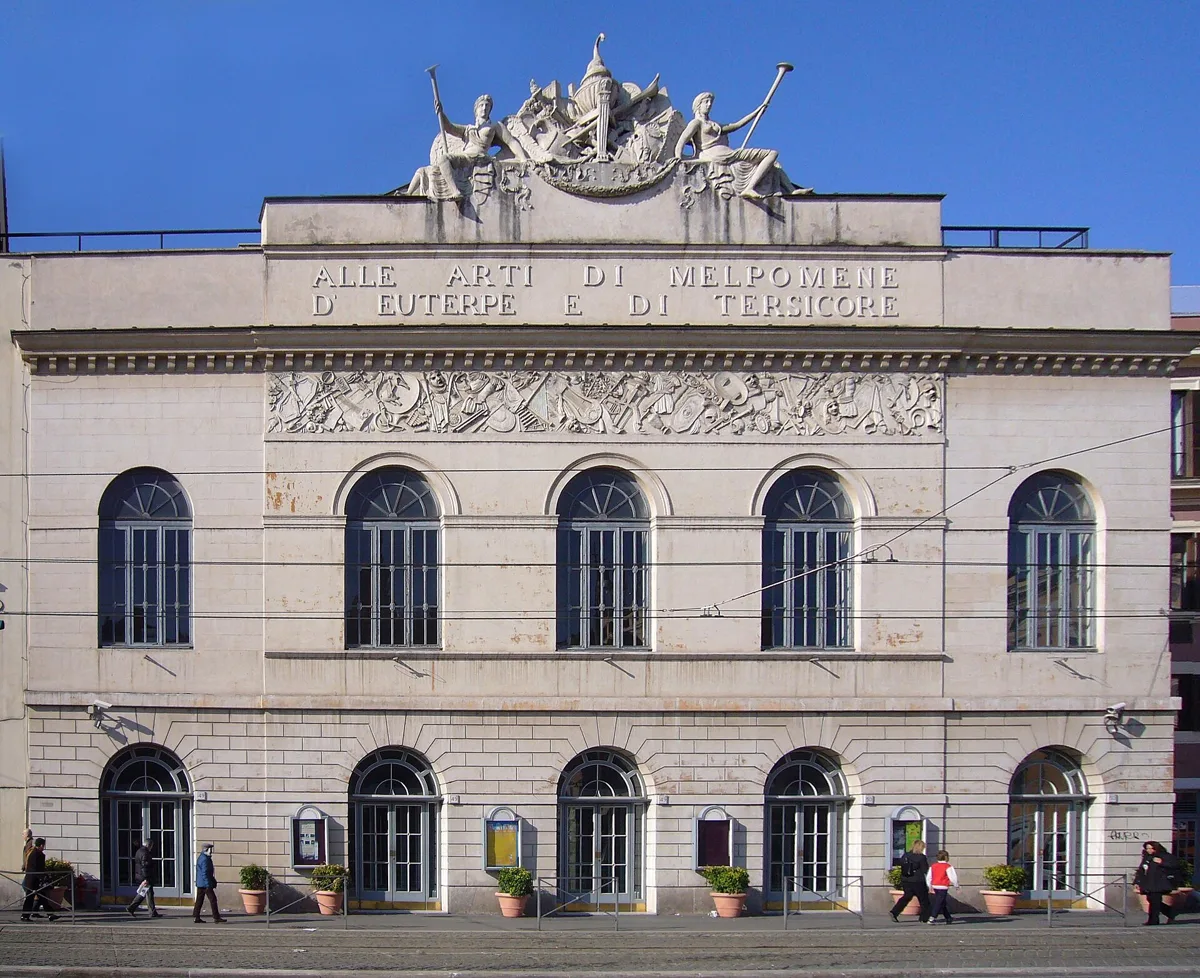
The Teatro Argentina on Largo di Torre Argentina, where The Barber of Seville premiered in 1816. Photo: Lalupa, CC BY-SA 3.0, via Wikimedia Commons
Indoors at the Costanzi
The theatre opened in November 1880 as the Teatro Costanzi. Mascagni's Cavalleria rusticana premiered here in 1890, and Puccini's Tosca had its premiere here in January 1900. The house now seats 1,560. The 2026-27 season opens with Stravinsky's The Rake's Progress, conducted by Michele Mariotti.
Guided tours run for about an hour in Italian and English, covering the Foyer, the Stalls, the Royal Box, the Gallery and the theatre museum. A full-price tour ticket is $16.73 (€15), and $8.92 (€8) for a child under 14. Tours are step-free except the Royal Box and the Gallery. There are no tours on public holidays, and production work can change the schedule. We sell no seats or tours for this theatre, they are sold only by the theatre itself through operaroma.it, the box office on Piazza Beniamino Gigli and TicketOne.
The company also uses a second, smaller house, the Teatro Nazionale) on Via del Viminale 51.
Summer outdoors
When the indoor season ends, the company moves outdoors. The summer festival plays at the Baths of Caracalla, the Roman baths opened in AD 216, where open-air opera began in 1937 with Lucia di Lammermoor. In summer 2026, with the Baths under restoration, the festival moved to the Circus Maximus, with Aida, Romeo and Juliet by the theatre's ballet, and Carmina Burana.
The open-air rule to know: a performance is never cancelled before its start time. The theatre may delay or suspend it for up to 100 minutes, and if it stops after the first act there is no refund. Bring a hat and water, and a light layer for after midnight.
Read the full picture in our opera tickets guide, and see where to sleep nearby in where to stay for the opera.
The ancient theatres of Rome
Long before the Costanzi, Rome built stone theatres for tens of thousands. Two survive in the centre and one of them still shapes a modern evening.
Theatre of Pompey and Caesar's death
The Theatre of Pompey, finished in the first century BC, was the first permanent stone theatre in Rome. Little stands above ground today, but its curved outline still shapes the streets around the Campo de' Fiori and Largo di Torre Argentina.
Its curia, the meeting hall, was where Julius Caesar was assassinated. The Teatro Argentina, opened in 1732, was built directly over that curia, so the playhouse and the assassination site share one block. The opera history on the spot is heavy too: the premieres of Rossini's Barber of Seville in 1816 and Verdi's I due Foscari and La battaglia di Legnano all happened inside.
You can look over the excavation area at Largo di Torre Argentina by day and attend a play by night on the same square.
Theatre of Marcellus
The Theatre of Marcellus, begun by Caesar and completed by Augustus, still stands near the Capitoline hill, its arcades incorporated into a later palazzo. It once held an audience in the tens of thousands, and its design influenced the Colosseum beside the same valley.
It is not a venue today, you view it from the street, but it anchors the south edge of the centre. The Basilica of San Nicola in Carcere stands next door, built into Roman temples, and hosts evening baroque concerts in summer. A classical evening near an ancient theatre is as close as Rome comes to its own past on stage.
What Romans called these buildings was theatrum in Latin, a word that passed straight into Italian as teatro. Every theatre sign you see in the city descends from it.
Booking, tickets and etiquette
Each kind of stage sells its evening differently. Here is how the booking and the house rules work.
Tickets and where to buy
At the Teatro dell'Opera, the box office on Piazza Beniamino Gigli is open Monday to Saturday 10:00 to 18:00 and Sunday 09:00 to 13:30. Same-day tickets are sold at the venue from one hour before the performance. Seat prices run from $22.30 (€20) for the cheapest ballet gallery seat to $178.40 (€160) for a stalls premiere.
The church and palace concerts are booked online and tickets are collected at the door. At St Paul's Within the Walls, Viator tickets are collected at the church box office from one hour before. At the Cancelleria, collect at the palace box office. Seating is by price category, the front rows cost more.
For the playhouses, check each theatre's own website, since the facts here do not include their box-office hours. Our Rome opera tickets guide compares all the routes.
Dress and house rules
At the opera house, evening dress is requested on opening nights and premieres only. On other nights there is no written rule, though smart clothes are the norm in the stalls and smart casual in the gallery.
The house rules are strict once the curtain goes up. Nobody enters the stalls or the numbered seats after the start, latecomers wait in the foyer. Photos and recording are banned, phones may not be used in the auditorium, and umbrellas, hats, bags and cameras go to the cloakroom.
For the church concerts, smart casual is the listed dress code. In churches for worship or a visit, cover shoulders and knees. The full details are in our dress code guide.
The Auditorium and classical music
If your evenings are about music rather than opera, the Auditorium Parco della Musica is the stage that matters most.
Three halls and a cavea
Renzo Piano's complex in Flaminio holds three structurally separate halls, built apart for sound-proofing and joined at the base by a shared lobby. Sala Santa Cecilia seats about 2,800, Sala Sinopoli about 1,200 and Sala Petrassi 700. The open-air Cavea is fan-shaped around a central piazza and recalls ancient performance spaces.
It opened on 21 December 2002 and is the home of the Accademia Nazionale di Santa Cecilia, one of the oldest musical institutions in the world, founded by a papal bull in 1585. Excavations during construction uncovered remains from the sixth century BC, and Piano adjusted his design to keep a small museum for them.
Concert programmes change monthly, so check the Auditorium's own site for dates. Music without singing needs no Italian, which makes this the easiest top-level evening in the city for a visitor.
Smaller classical evenings
Rome's churches carry a nightly classical programme of their own. Vivaldi's Four Seasons plays in several venues, solo piano recitals run early in the evening in the centre, and the Pantheon opens after hours for a short visit and concert under the dome.
These are intimate formats: a few rows of chairs, the performers a few metres away, and 50 minutes to an hour and a half. They suit a first night in Rome, or an evening when the opera house is dark.
If you want opera voices rather than instruments, the opera concerts page lists the aria evenings, and the Three Tenors tribute programmes are the most booked of all.
Near the theatres
These pages cover the evenings and questions that sit closest to a theatre night in Rome.
Teatro dell'Opera di Roma
The city's opera house, with its season, ballet and one-hour guided tours. St Paul's Within the Walls, home of the evening concerts, is about 5 minutes away on Via Nazionale (our estimate).
5 min walk from Repubblica metro (our estimate) Read the guideOpera at the Baths of Caracalla
The summer open-air festival stage of the Rome opera company. The Baths opened in AD 216 and open-air opera there began in 1937.
Metro line B to Circo Massimo Read the guideSt Paul's Within the Walls
The busiest opera-concert venue in the city, with La Traviata and arias most evenings. Smart casual dress.
On Via Nazionale, near the opera house Read the guidePalazzo della Cancelleria
The earliest Renaissance palace in Rome, closed to ordinary visits. The one-hour evening concert is the way inside.
2 min from Campo de' Fiori (our estimate) Read the guideWhere to stay for the opera
Hotels within walking distance of the main stages make late endings easier. Our guide sorts the districts by venue.
Varies by budget Read the guideTheatres in Rome: questions
What is the most famous theatre in Rome?
The Teatro dell'Opera di Roma, opened in 1880 as the Teatro Costanzi, is the best known. It is the city's opera house, seats 1,560 and saw the premieres of Cavalleria rusticana and Tosca. For drama, the Teatro Argentina carries the greater name, with the Barber of Seville premiere of 1816 behind it. Read more in our Teatro dell'Opera guide.
What is a Roman theatre called?
The Latin word is theatrum, which became teatro in Italian, the word on every theatre sign in Rome today. The ancient stone theatres, like the Theatre of Marcellus and the Theatre of Pompey, were called theatrum, while the great arenas for games were built on a different plan. The modern playhouses simply keep the old name.
Does Rome have movie theatres?
Yes. Several stage buildings began life as cinemas, and the Teatro Sistina was inaugurated in 1949 as a cinema before turning to theatre and cabaret. The Teatro Brancaccio in the Esquilino zone is a 1,300-seat theatre that has also worked as a cinema. Mainstream film-going is spread across the city, though our guide covers the live stages.
What were some of the ancient theatres in Rome?
The two great ones are the Theatre of Pompey, the first permanent stone theatre of Rome, and the Theatre of Marcellus, completed under Augustus, whose arcades still stand near the river. The Teatro Argentina was built over the curia of Pompey's theatre, the hall where Julius Caesar was killed, so the ancient site sits under a working playhouse.
Can I enjoy a Rome theatre evening without speaking Italian?
Yes, if you pick the right stage. Drama at the Argentina, Quirino and Sistina plays in Italian. Opera at the Teatro dell'Opera needs no Italian, nor do the concerts at the Auditorium. The church and palace concerts of arias and La Traviata are built for visitors. See our opera concerts roundup.
How much are opera tickets in Rome?
At the Teatro dell'Opera, the cheapest seat printed is a ballet gallery seat at $22.30 (€20), and opera starts at $24.50 (€22) in the upper gallery for a repeat performance. Stalls seats for a premiere reach $178.40 (€160). The church concerts cost less and last about an hour. Full details in our tickets guide.
What should I wear to a theatre in Rome?
Evening dress is requested at the opera house only on opening nights and premieres. On other nights smart clothes are the norm downstairs and smart casual in the gallery. The church concerts list smart casual. In any church, cover shoulders and knees. More in our dress code guide.
When is the opera season in Rome?
The indoor season at the Teatro dell'Opera runs from autumn to early summer. In summer the company moves outdoors for the festival at the Baths of Caracalla, or wherever restoration sends it, as in 2026 when the festival played the Circus Maximus. The church and palace concerts run through the year, with dates on each listing.
Prices, hours and terms are set by the venue or operator and confirmed at checkout.
We may earn a commission if you book through one of our links, at no extra cost to you. Full affiliate disclosure